







Search Results for: second pour
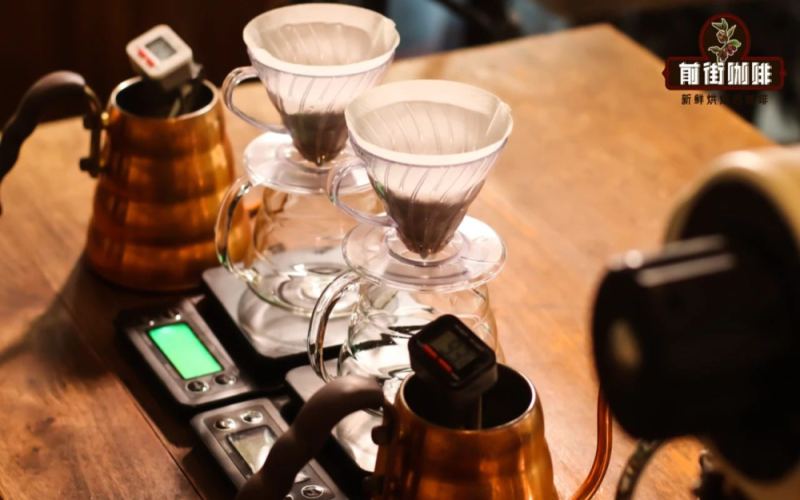
Pour-Over Coffee Techniques Explained | What Is the One-Pour Method? How Does It Differ from the Three-Stage Pour? Which Brews a Better Black Coffee?
For more specialty coffee knowledge, please follow: Front Street Coffee (Frontsteet Coffee). One of the great joys of pour-over coffee is using different brewing techniques to interpret a cup of coffee. And as for pour-over methods, I believe everyone pays close attention. So the most widely spread pour-over technique at present is the one-pour method. [more…]
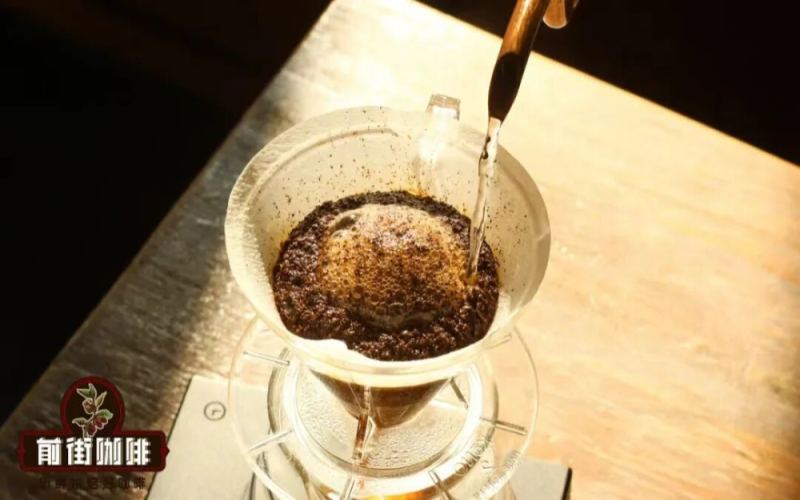
Bloom Time | Why is blooming necessary when making pour-over coffee? What effects does the length of the bloom time have on the taste of the brewed coffee?
"How big of a difference can there be between coffee with a 30-second bloom and a 60-second bloom?" This was a question a friend asked Front Street Coffee yesterday. I have to say, this question is actually quite interesting! As we all know, blooming is a routine step in pour-over coffee. Specifically, before the official pour, we pre-pour [more…]

Step-by-Step Guide to Pour-Over Coffee|Do pouring technique and blooming affect the flavor of pour-over coffee? Which pour-over brewing method is suitable for coffee beginners?
Front Street often encounters many pour-over beginners asking a question: Why does pour-over coffee need blooming? The most indispensable step in pour-over coffee is the blooming phase. The purpose of blooming is to allow the coffee to release gases and ensure even extraction, and it also clearly reveals whether the beans being brewed are fresh. Front Street focuses on freshness [more…]

Coffee Brewing Methods | How Big Is the Difference Between Pour-Over and Espresso? Which Coffee Beans Are Best for Pour-Over Beginners?
Nowadays, when you go to a coffee shop, most shops offer both pour-over coffee and espresso. Friends who don't drink coffee very often may be confused by this. They're both coffee, so what's the difference? Front Street Coffee is here to explain these two types of coffee respectively. [more…]
Basic Knowledge for Pour-Over Coffee Beginners | Is Blooming Essential in Pour-Over Coffee? What Is the Purpose of Blooming Coffee Grounds by Pouring Water? How Do You Adjust the Coffee-to-Water Ratio in Pour-Over Coffee?
Front Street Coffee often encounters many pour-over beginners who ask a question: Why does pour-over coffee need blooming? The most indispensable step in pour-over coffee is the blooming stage. The purpose of blooming is to allow the coffee to release gases and ensure even extraction, and it also clearly reveals whether the beans being brewed are fresh. Front Street Coffee focuses on fresh [more…]
Brewing Time | The Impact of Pour-Over Coffee Brewing Time on Extraction Flavor: When Does Brewing Time Start Counting?
There are many important parameters in coffee brewing. If you want to enjoy a delicious cup of coffee, you need to precisely control the brewing parameters and follow them as closely as possible during brewing, so that you can have a high probability of getting a tasty cup of coffee. Among these, brewing time is crucial for pour-over coffee. Regarding the coffee dose, [more…]
Pour-over Coffee Brewing Extraction Time | Pour-over Coffee Steps, Ratios, and Pouring Techniques
For more specialty coffee knowledge, please follow our WeChat official account: Front Street Coffee (FrontStreet Coffee). Pour-over coffee has become deeply loved by enthusiasts with the development of the third wave of specialty coffee. Many enthusiasts enjoy brewing pour-over coffee at home. Is pour-over coffee difficult? Actually, to [more…]
High-Sweetness, Low-Acidity Single-Origin Pour-Over Beans | What Factors Affect Coffee Sweetness? 4 Recommended Specialty Pour-Over Beans with Pronounced Sweetness and Rich Fruity Aromas
When we say coffee is sweet, besides referring to the sweetness on the palate, we are actually also referring to the sweet aroma on the nose. So from a tasting perspective, only an acidic coffee with a sweet, fragrant base can be considered a high-scoring flavor experience, and to make coffee appropriately sweet and sour, roasting plays a key role. From the moment a coffee bean begins to be heated as green beans until [more…]

Pour-over coffee method step-by-step guide | How to brew a delicious pour-over coffee? What are the water temperature, time, ratio, and how do you do the three-pour technique?
For professional coffee knowledge exchange and more coffee bean consultations, please follow Coffee Workshop (WeChat public account cafe_style). If you love drinking coffee, pour-over coffee is a skill you absolutely must master. Whether it's ordinary coffee beans or specialty coffee beans, pour-over coffee is one of the most widely used extraction methods. [more…]
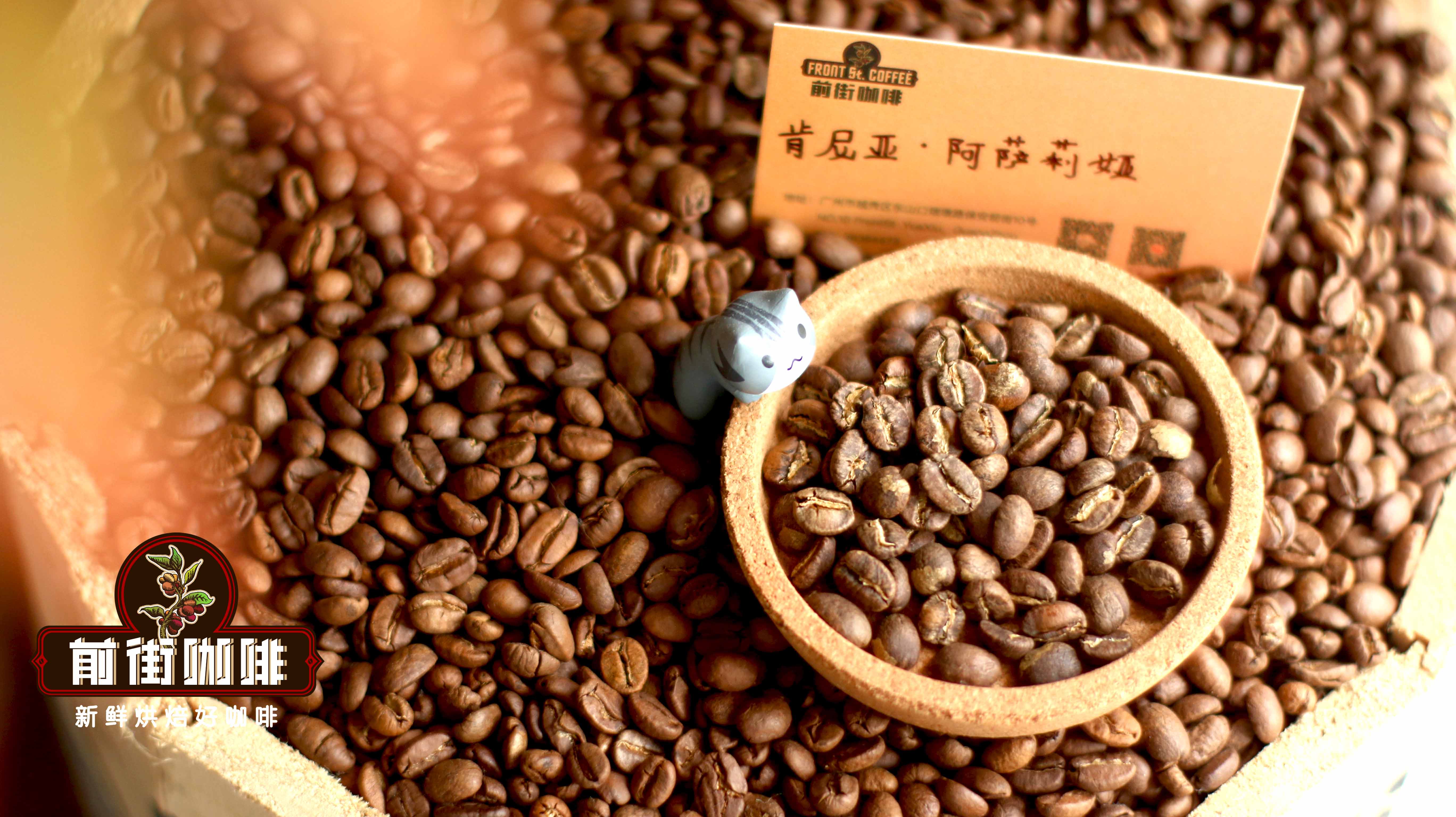
Pour-Over Coffee Tutorial | How Do You Brew the Floral and Fruity Flavors of Light-Roasted Coffee Beans? Which Light-Roasted Single-Origin Beans for Pour-Over Are Recommended for Beginners to Buy?
Coffee comes in different roast levels, and the flavor expression of coffee varies under different roast levels. The appreciation of specialty coffee has become a trend, and more and more people have fallen in love with the unique fruity and floral flavors of specialty coffee, so the roast level of pour-over coffee beans on the market has also become lighter and lighter. But in fact, no one likes to drink coffee that is only sour, even if it is [more…]
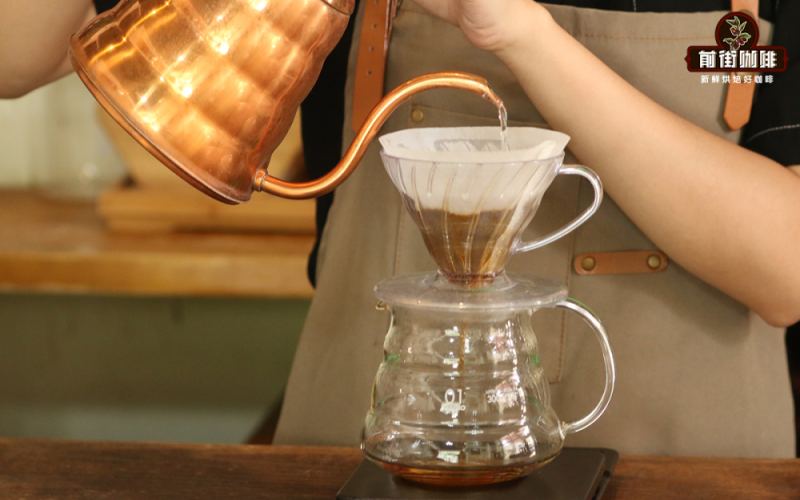
Coffee brewing technique tutorial | What are the technique and extraction principles of the three-pour method for pour-over coffee? Why is the hot water for brewing coffee divided into three pours?
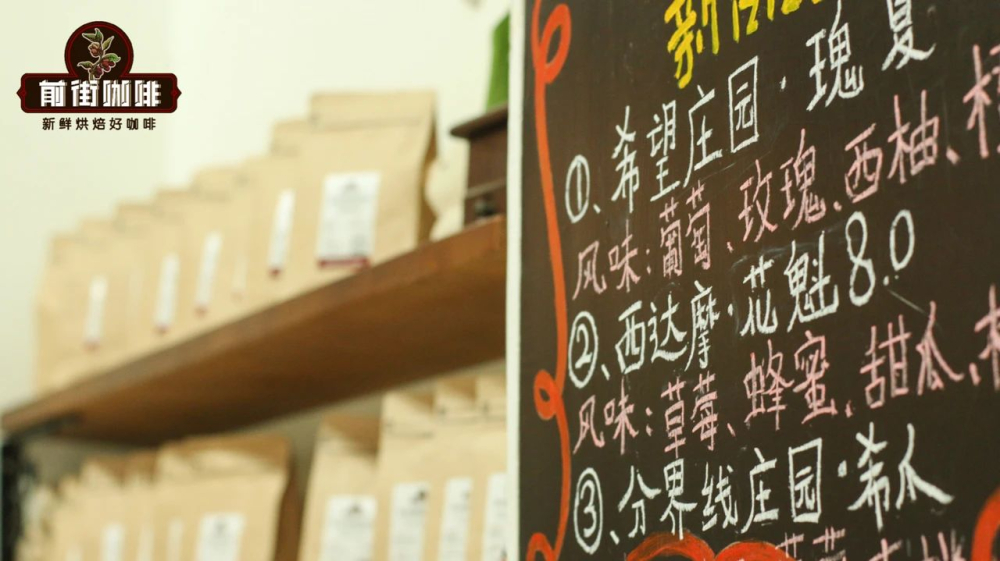
Front Street Coffee (FrontStreet Coffee) entered the coffee industry in 2013, and has come step by step from coffee cultivation and coffee roasting to coffee service. Today, the more than 30 coffee beans displayed in the shop are only Front Street Coffee (FrontStreet Cof [more…]
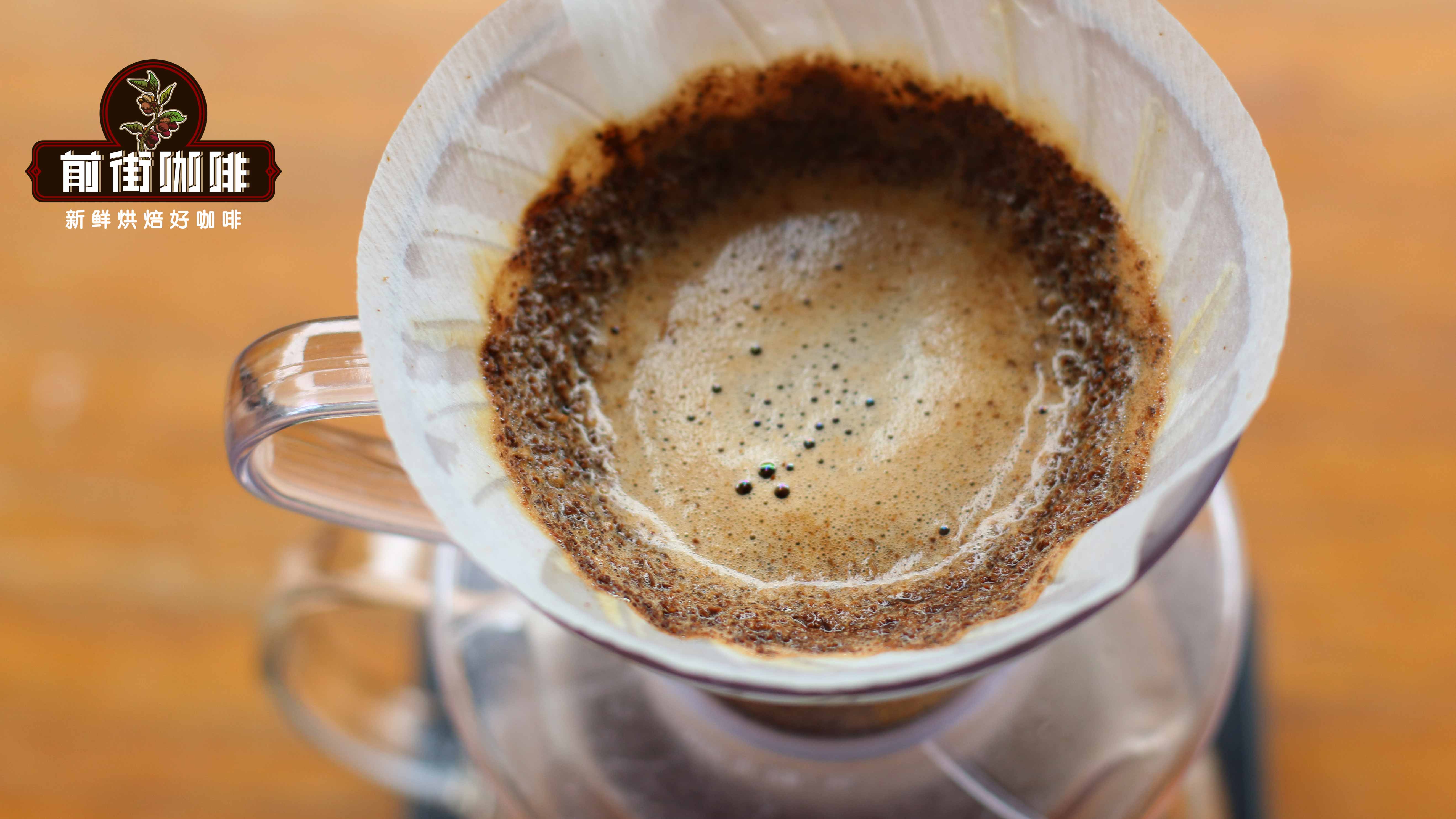
Pour-over coffee knowledge | How can coffee novices improve the quality of their pour-over coffee? How to understand coffee server parameters? How to identify the characteristics of coffee bean origins, varieties, and roast levels?
Many friends have come to visit Front Street Coffee, drawn by its reputation. Besides marveling at the wide variety of coffee beans, they also greatly admire the baristas' brewing skills. Among them, many want to discuss pour-over brewing with the baristas. So Front Street Coffee takes this opportunity to share some thoughts on how to improve coffee brewing skills. Before that, Front Street Coffee asked [more…]

Pour-Over Coffee Acidity | Is Coffee Bean Roast Level Related to Coffee Acidity? What Are the Differences in Flavor and Mouthfeel Between Light, Medium, and Dark Roasts?
The roast level of coffee largely determines its flavor profile. When buying single-origin coffee beans, you may notice that the label indicates the roast level, such as light roast, medium roast, or dark roast. Some also label them as Cinnamon Roast, City Roast, French Roast, and so on, which leaves many [more…]
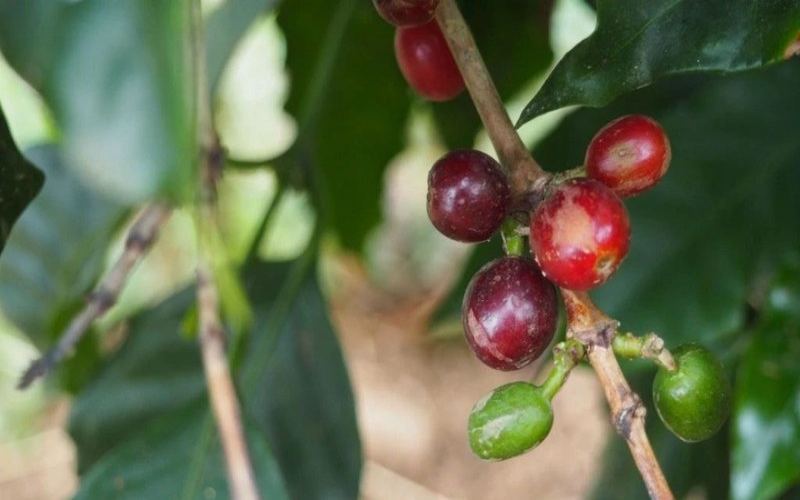
Decaf Pour-Over Beans: Opening the Bag and Peak Flavor Window Explained — Master the Degassing Decline and Brew Your Best Cup
Decaffeination processing causes subtle changes to the cellular structure of green beans. After being heated during roasting, the pores inside the bean are often looser than those of regular beans, and the rhythm of degassing and flavor release is also more unique. If you want to taste clean, transparent fruity notes and sweetness from a pour-over brewer, understanding the freshness curve and degassing process of decaf coffee beans is [more…]

Sun-Dried G1 Huakui Introduction | How to Brew Fruity and Floral Coffee Beans for More Aroma? Sidamo Huakui Pour-Over, Espresso, Americano, and Latte Flavor Comparison
Front Street Coffee's Huakui coffee has a citrussy and guava-like acidity on the palate, full of berry juice flavor, with a hint of sugarcane sweetness in the aftertaste, and a lingering lemon black tea note in the finish. The flavor is long-lasting and highly layered. It is not only suitable for pour-over, drip bag, and cold brew methods, but can also be used for espresso SOE and moka pot extraction. Below, [more…]
The Flavor Window of Sweet Fruity Pour-Over Beans: From Degassing and Resting to a Drinking Rhythm That Locks In Juiciness
Freshly roasted coffee beans are filled with carbon dioxide inside. This layer of gas hinders water from smoothly penetrating the coffee grounds, making it difficult for aromatic compounds to be fully released during extraction. To taste a bright, light fruity note and full sweetness, the beans need a period of gentle degassing, allowing the internal structure and vol [more…]
From Roast Date to Opening and Tasting: The Flavor Cycle and Storage Tips of Pour-Over Coffee Beans
Freshly roasted coffee beans accumulate a large amount of carbon dioxide gas within their bodies, making them unsuitable for immediate grinding and brewing in the first few days after roasting. When hot water is poured in, the gas is released violently, forming a dense barrier layer that hinders full contact between the water flow and the coffee grounds. Through a resting and degassing period ranging from several days to more than ten days, the internal aroma molecules [more…]
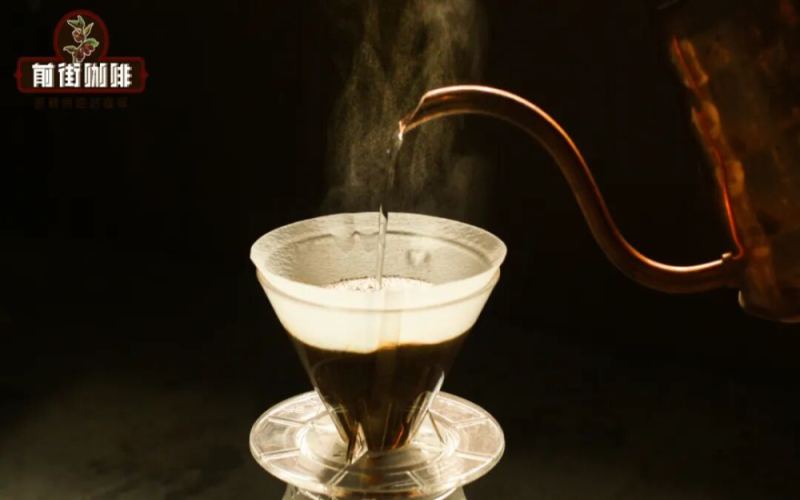
Bloom Duration | Does blooming coffee grounds for too long affect the coffee's flavor? Does a longer bloom increase the extraction yield of pour-over coffee?
Recently, a friend came across a post online: "If the blooming time is too long, it's easy to brew coffee that is under-extracted." Obviously, this statement goes against our long-standing understanding of blooming. Because as everyone knows, the purpose of blooming is to release the carbon dioxide in the coffee grounds, allowing us to more easily extract the coffee. [more…]
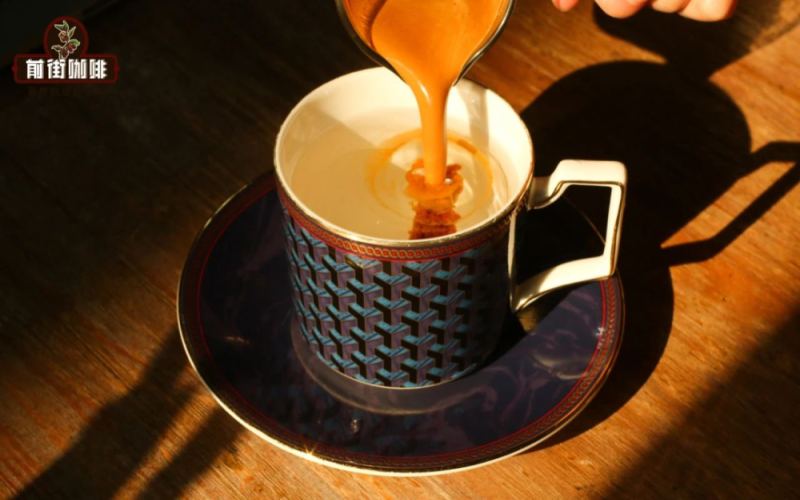
Types of Black Coffee | How Are Pour-Over and Espresso Different? Can Espresso Blend Beans Be Used for Pour-Over? Can Single-Origin Beans Be Used to Extract Espresso?
Coffee is gaining popularity among more and more Chinese people, even somewhat rivaling fast-food tea drinks like milk tea, though consumption groups each have their own preferences. When it comes to coffee, one cannot help but mention pour-over coffee and espresso. Pour-over coffee most often uses single-origin beans, and its unadorned beauty is not crude, [more…]
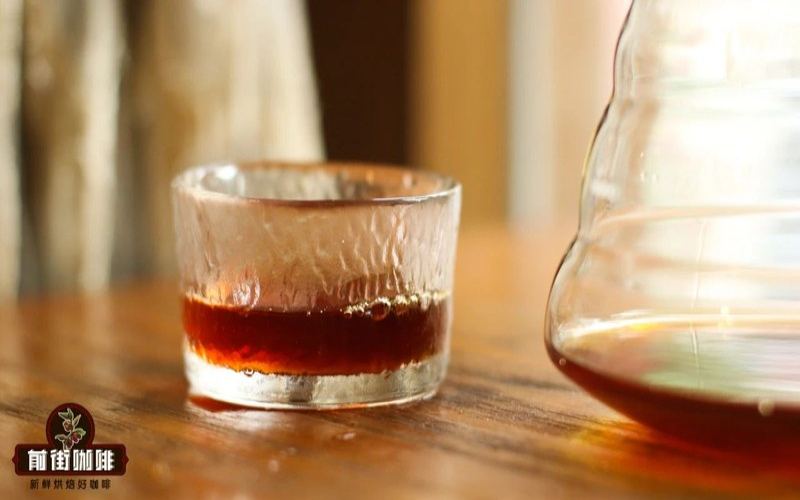
Master the peak flavor window and degassing rhythm to brew a gentle, sweet, low-acid pour-over coffee
After coffee beans are discharged from the roaster, they continue to release a large amount of carbon dioxide gas internally. If brewed on the same day as roasting, the overly vigorous bubbling reaction can easily hinder full contact between hot water and coffee grounds, resulting in muddled flavors and making it hard for sweetness to come through. For enthusiasts who prefer low acidity and a smooth mouthfeel, giving [more…]